Buying a Car Through Your Business
Starting a new business is exciting - and one of the first significant decisions many owners face is whether to buy a car through the business. The good news is that as a business owner, you have access to some real advantages that private buyers don't. From how you pay for the car, to how you can claim the cost back, there's a lot to consider.
This guide is here to make it simple. Whether you've set up as a sole trader or formed a limited company, we'll walk you through everything you need to know.
Prefer a one-to-one conversation? Our dedicated Business Development Managers are on hand to guide you through your options and help you find the right solution for your business. Get in touch today

Sole Traders

Limited Company Directors
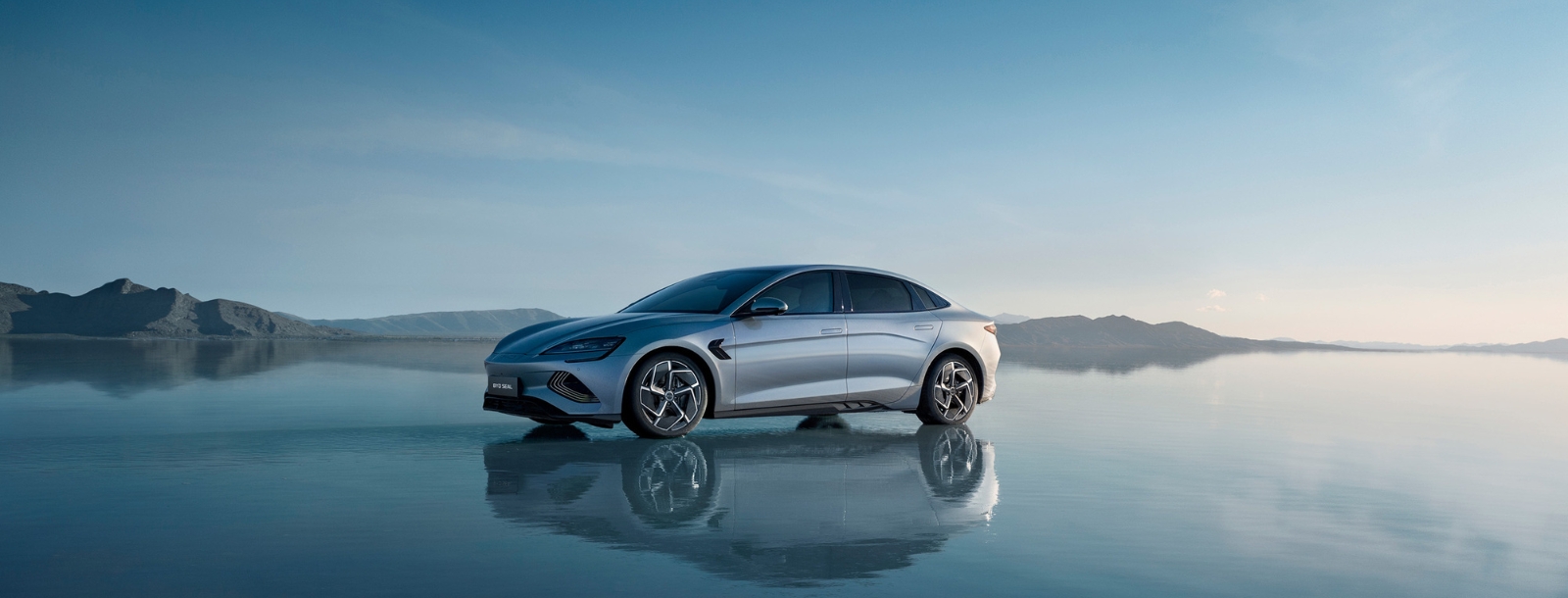 BYD Seal
Choosing the Right Car — ICE, BEV or PHEV?
At Lloyd Motor Group, we offer a wide range of cars to suit business buyers — from traditional petrol and diesel models to fully electric and plug-in hybrid vehicles. The type of car you choose can have a big impact on the tax benefits you receive.
Internal Combustion Engine (ICE) — Petrol & Diesel
These are your traditional petrol and diesel cars. They're still a popular choice for business buyers who cover high mileages or need a wide range of vehicles to choose from.
However, from a tax point of view, ICE cars typically offer fewer benefits than electric or hybrid alternatives — especially for company car tax (known as Benefit in Kind, or BIK).
Battery Electric Vehicles (BEV) — Fully Electric
Electric cars are by far the most tax-efficient option for business buyers right now. For the 2025/26 tax year, the Benefit in Kind (BIK) rate for a fully electric car is just 3% — compared to rates of 23–37% for many petrol or diesel cars.
This means if you're a limited company director and you use an electric car as a company car, you'll pay much less personal tax on it. And the company can also claim more of the cost back.
Plug-In Hybrid (PHEV)
PHEVs offer a middle ground. They have a petrol or diesel engine alongside an electric motor and a battery that you can charge up. Depending on the electric-only range of the car, BIK rates for PHEVs are lower than regular petrol and diesel cars — but not as low as fully electric vehicles.
PHEVs can be a great option if you're not quite ready to go fully electric, or if you regularly drive long distances where charging infrastructure might be limited.
Good to know — BIK Rates at a Glance (2025/26)
|
Note: BIK rates can change each tax year. We'd always recommend speaking to your accountant to check the current rates before making a decision.
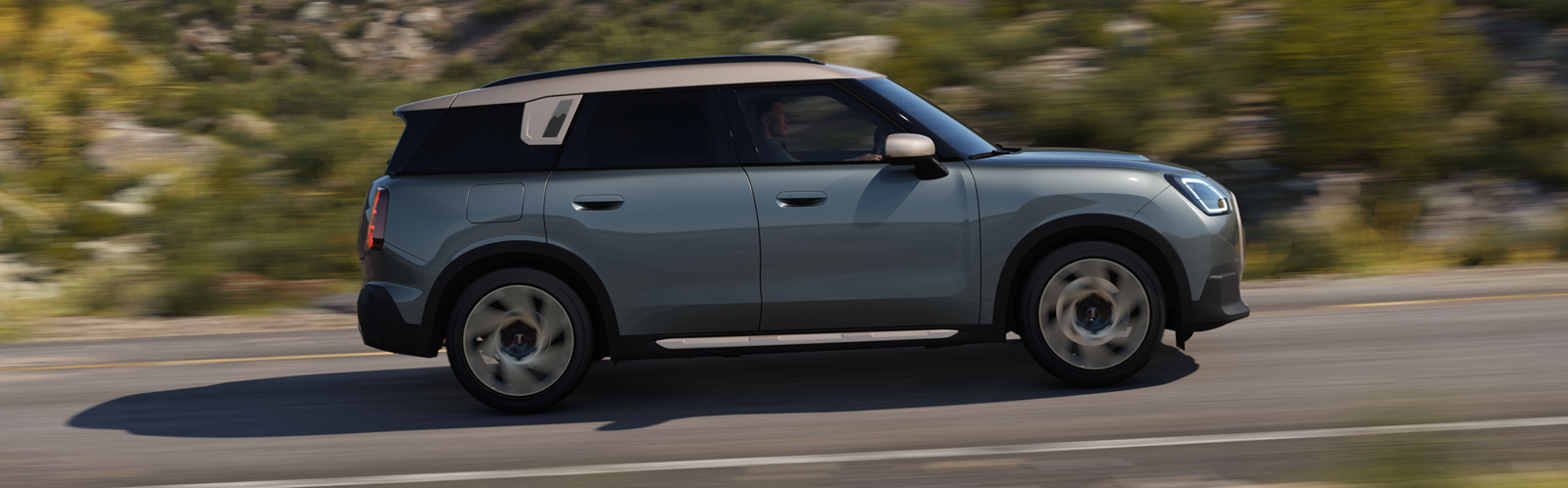 MINI Countryman EV
Finance Options
Hire Purchase works a bit like a mortgage. You pay a deposit, then spread the remaining cost over a set number of monthly payments. At the end of the agreement, you own the car outright.
• Good for: Businesses that want to own the car at the end and spread the cost
• Things to consider: The car appears on the business's balance sheet, and you'll be responsible for its depreciation
Show more
BCP/PCP are among the most popular financing options. You pay a deposit, followed by lower monthly payments. At the end of the agreement, you have three choices: pay a final 'balloon' payment to own the car, return it, or part-exchange it for a new one.
• Good for: Sole traders and VAT-exempt businesses who want lower monthly payments and flexibility at the end
• Things to consider: There are mileage limits, and you won't own the car until you make the final payment
Show more
With leasing, you essentially rent the car for a fixed period (usually 2–4 years). You never own the car — you just hand it back at the end. This is a very popular option for limited companies, as you can claim 50% of the VAT back.
• Good for: Limited companies that want a new car every few years with a fixed monthly cost
• Things to consider: You won't own the car, and mileage limits apply. However, leasing costs can often be offset against your business profits
Show more
If your business has the funds available, you can simply buy the car outright. This avoids interest payments and monthly commitments.
• Good for: Businesses with strong cash flow that want to keep things simple
• Things to consider: It uses up cash that could be invested elsewhere in the business
Show more
Our finance team at Lloyd Motor Group can help you work out which option is best for your situation.
GET IN TOUCH
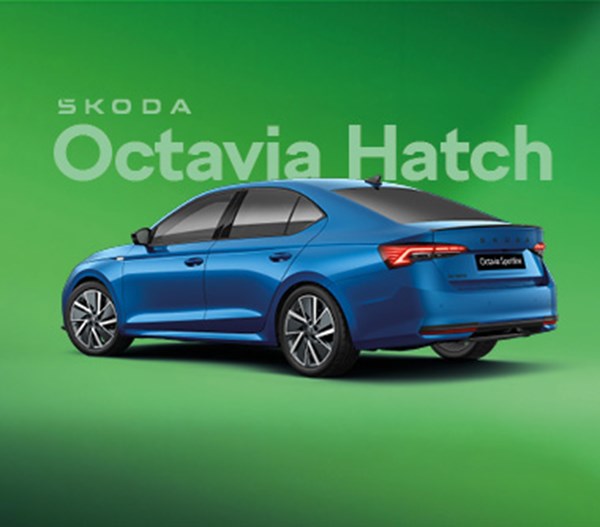
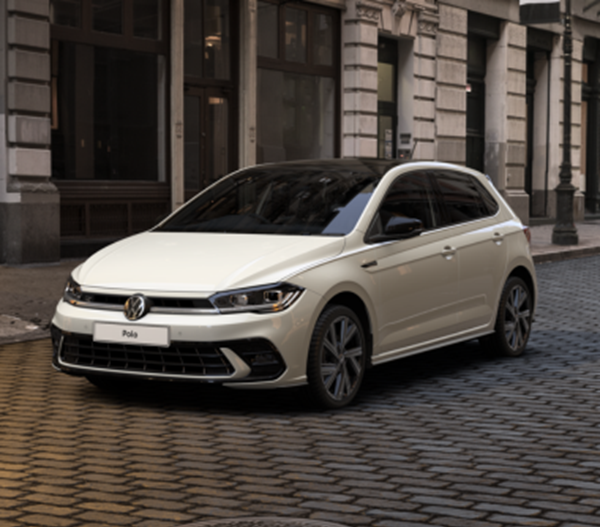
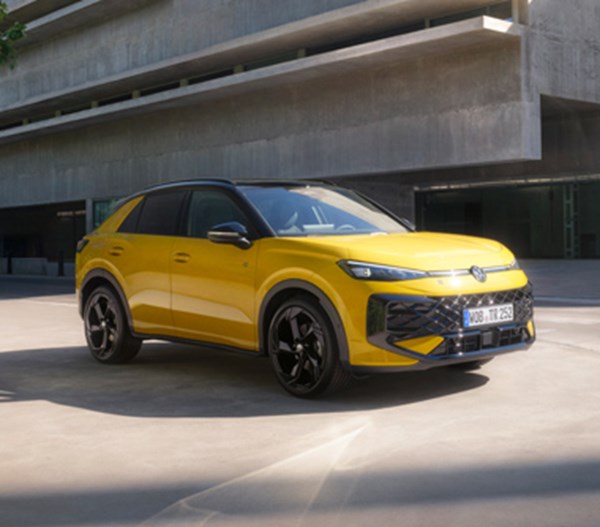
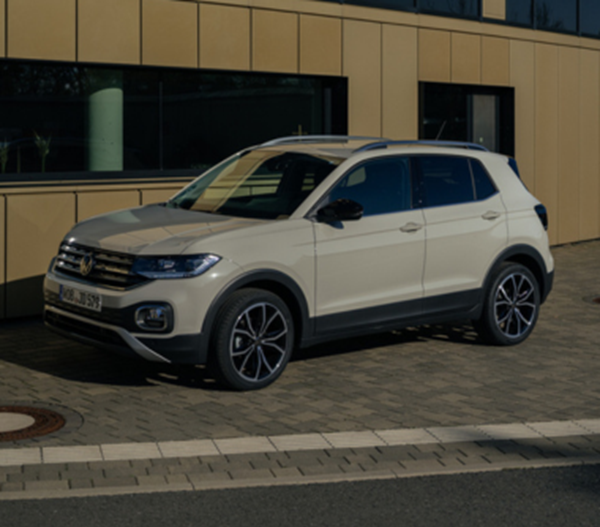
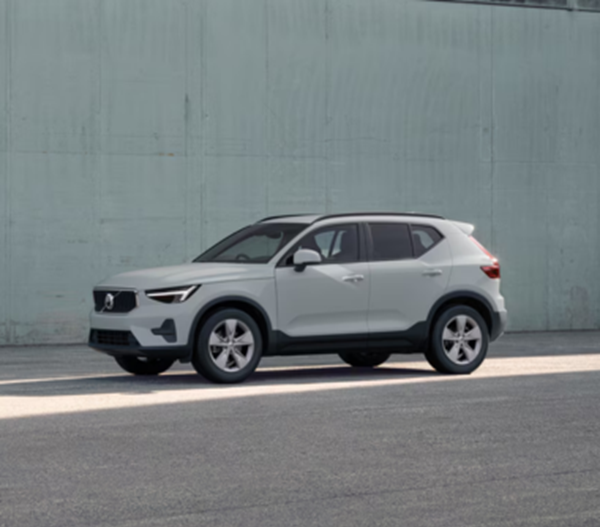
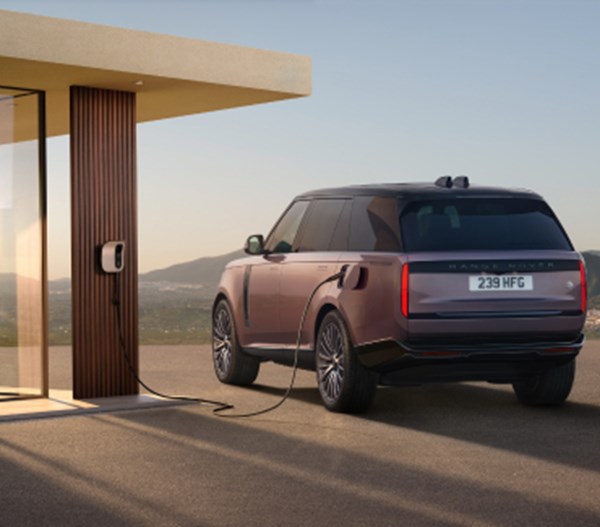
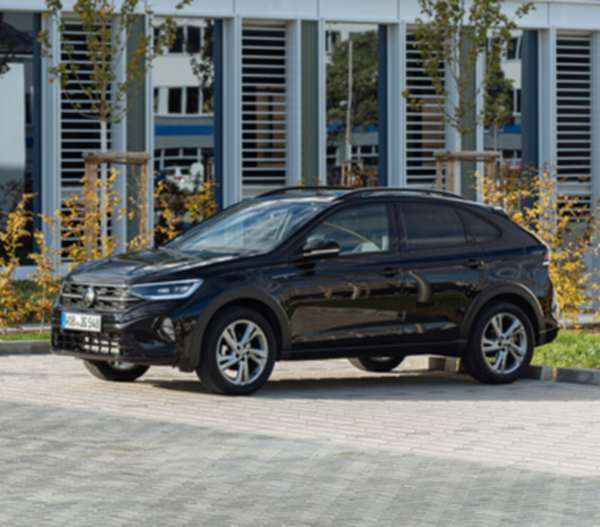
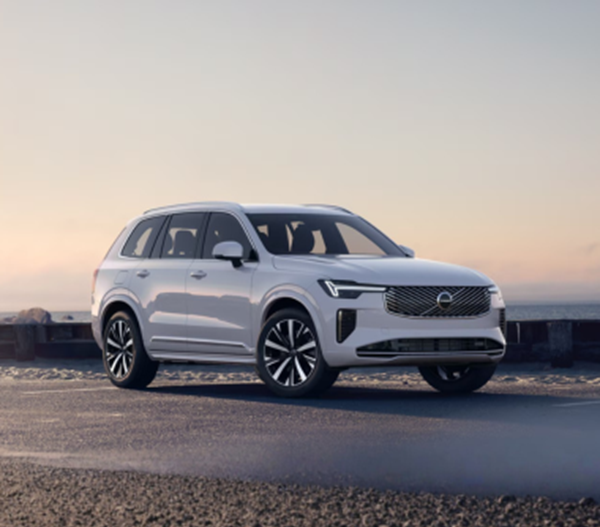
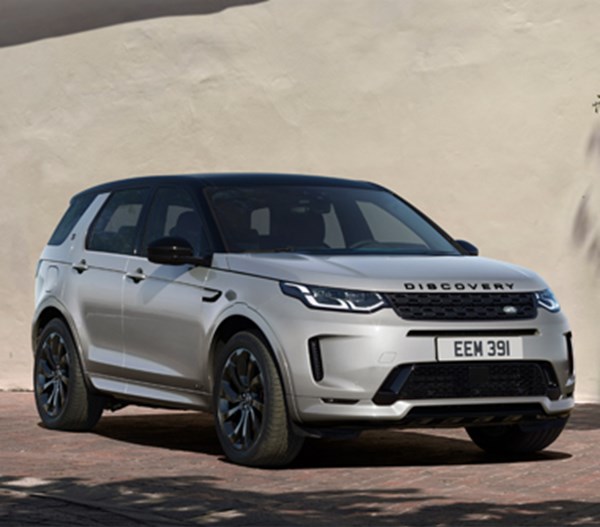
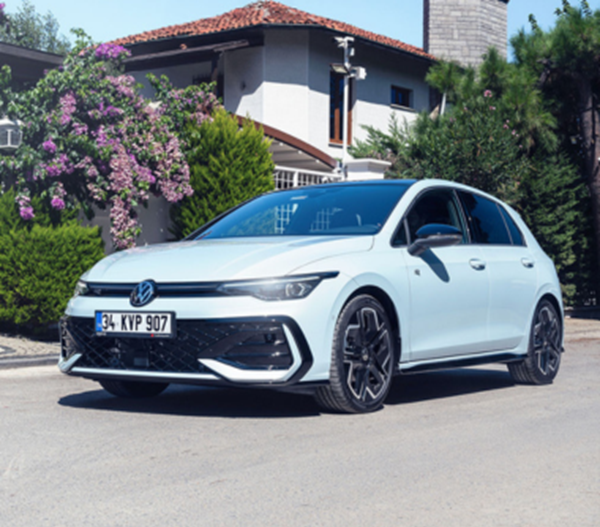
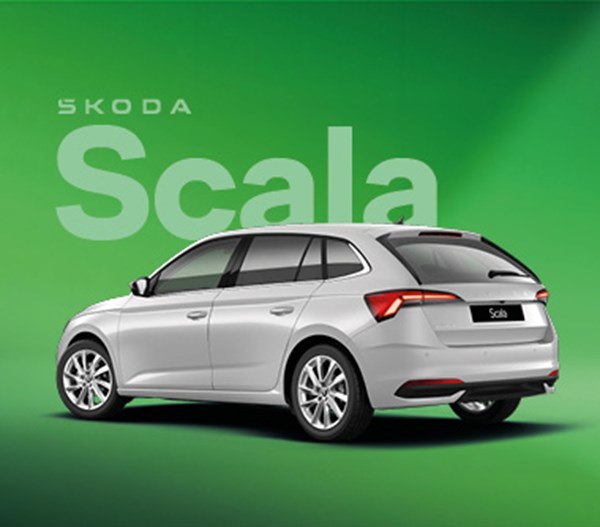
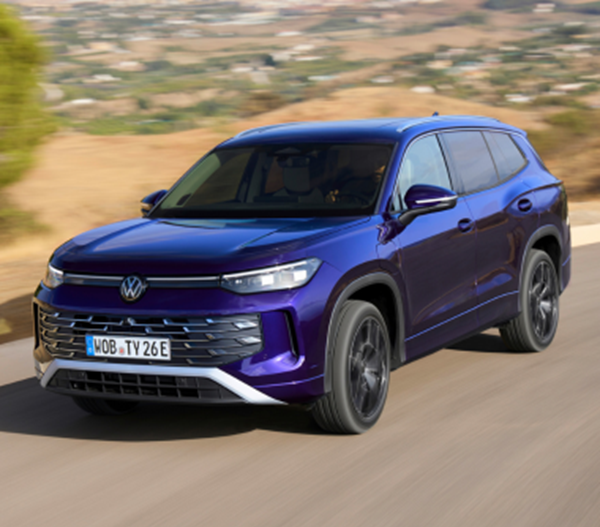
Explore our latest BCH offers



.jpg?height=527.3684210526316&heightratio=0.8789473684210526&mode=crop&upscale=true&width=600)



.png?height=527.3684210526316&heightratio=0.8789473684210526&mode=crop&upscale=true&width=600)
.jpg?height=527.3684210526316&heightratio=0.8789473684210526&mode=crop&upscale=true&width=600)
.jpg?height=527.3684210526316&heightratio=0.8789473684210526&mode=crop&upscale=true&width=600)

.jpg?height=527.3684210526316&heightratio=0.8789473684210526&mode=crop&upscale=true&width=600)














.jpg?height=527.3684210526316&heightratio=0.8789473684210526&mode=crop&upscale=true&width=600)
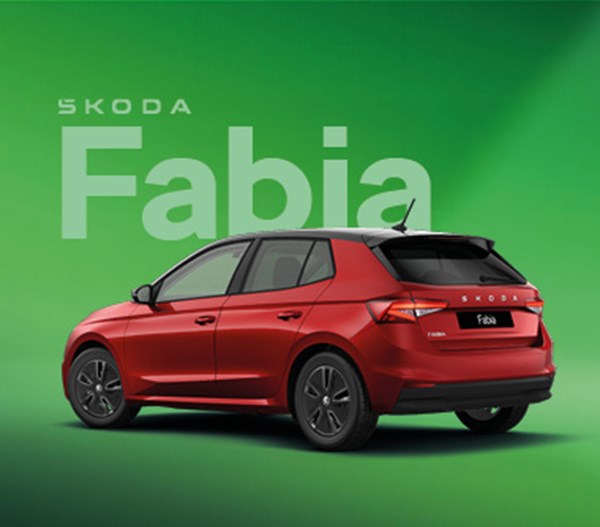
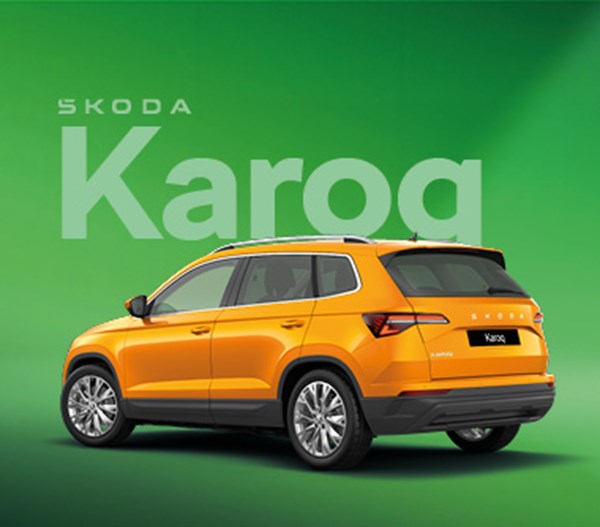
How Can You Claim the Cost Back?
This is where buying through your business really starts to pay off. There are several ways you can reduce the tax you pay by claiming the cost of the car through your business.
Capital Allowances (for purchased cars)
If your business buys a car (rather than leasing it), you can claim Capital Allowances - a way of deducting the cost of the car from your business profits over time, which reduces the amount of tax you pay.
The rate you can claim depends on the car's CO2 emissions:
• 0g/km CO2 (fully electric): 100% First Year Allowance - you can deduct the full cost in year one
• 1–50g/km CO2 (low emission): 18% Writing Down Allowance per year
• 51g/km CO2 or above: 6% Writing Down Allowance per year
The 100% First Year Allowance for electric cars is a significant benefit - it means you can write off the full cost of the car against your profits in the year you buy it.
Lease Costs (for leased cars)
If you lease a car rather than buy it, you can typically deduct the monthly lease payments as a business expense. This reduces your taxable profit.
There is one restriction: if the car has CO2 emissions above 50g/km, only 85% of the lease cost is deductible. If it's below 50g/km (or fully electric), 100% is deductible.
Mileage Claims (mainly for sole traders)
If you're a sole trader using your own car for business, you can claim a set amount per mile for business journeys. HMRC's approved mileage rate is:
• 45p per mile for the first 10,000 business miles per year
• 25p per mile for every business mile after that
This is known as the HMRC Mileage Allowance and covers fuel, servicing, and wear and tear. It's a simple, straightforward way to claim without needing to track every single cost.
VAT Reclaim
If your business is VAT registered, you may be able to reclaim some of the VAT on the purchase or lease of a business car - but only if the car is used exclusively for business purposes (no personal use). This is quite hard to prove for cars, so HMRC has strict rules.
For commercial vehicles and vans, VAT reclaim is much more straightforward. For cars, it's worth getting advice from your accountant before assuming you can claim.
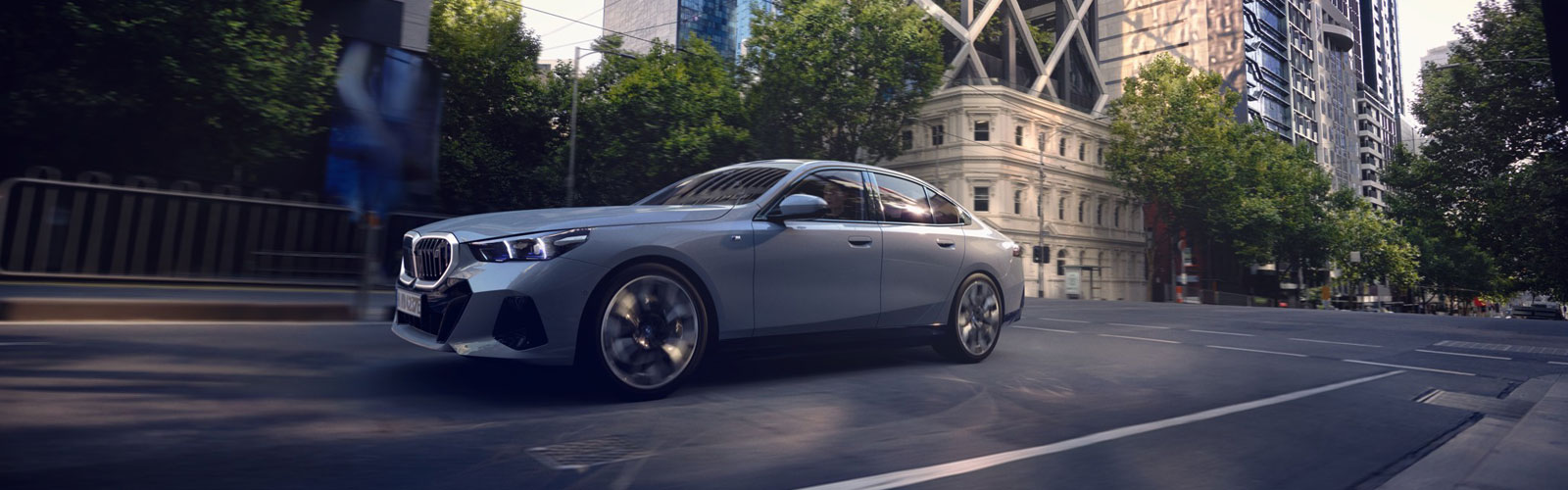 BMW i5
Company Car Tax - What Is It and How Does It Work?
If you're a limited company director and the company buys you a car that you also use privately, HMRC sees this as a benefit - and you'll pay tax on it. This is called Benefit in Kind (BIK) tax.
The amount of BIK tax you pay is based on:
• The list price of the car
• Its CO2 emissions (or electric range)
• Your personal income tax rate (20% or 40%)
As mentioned earlier, electric cars have a BIK rate of just 3% - which makes them incredibly tax efficient as a company car. Let's look at a simple example:
|
Electric Car (BEV) |
Petrol Car (ICE) |
|
|---|---|---|
|
List Price |
£40,000 |
£40,000 |
|
BIK Rate |
3% |
25% (example) |
|
Taxable Benefit |
£1,200 per year |
£8,400 per year |
|
Tax Paid (20% taxpayer) |
£240 per year |
£1,680 per year |
As you can see, the difference is significant. That's why so many new business owners are choosing electric when buying through their company.
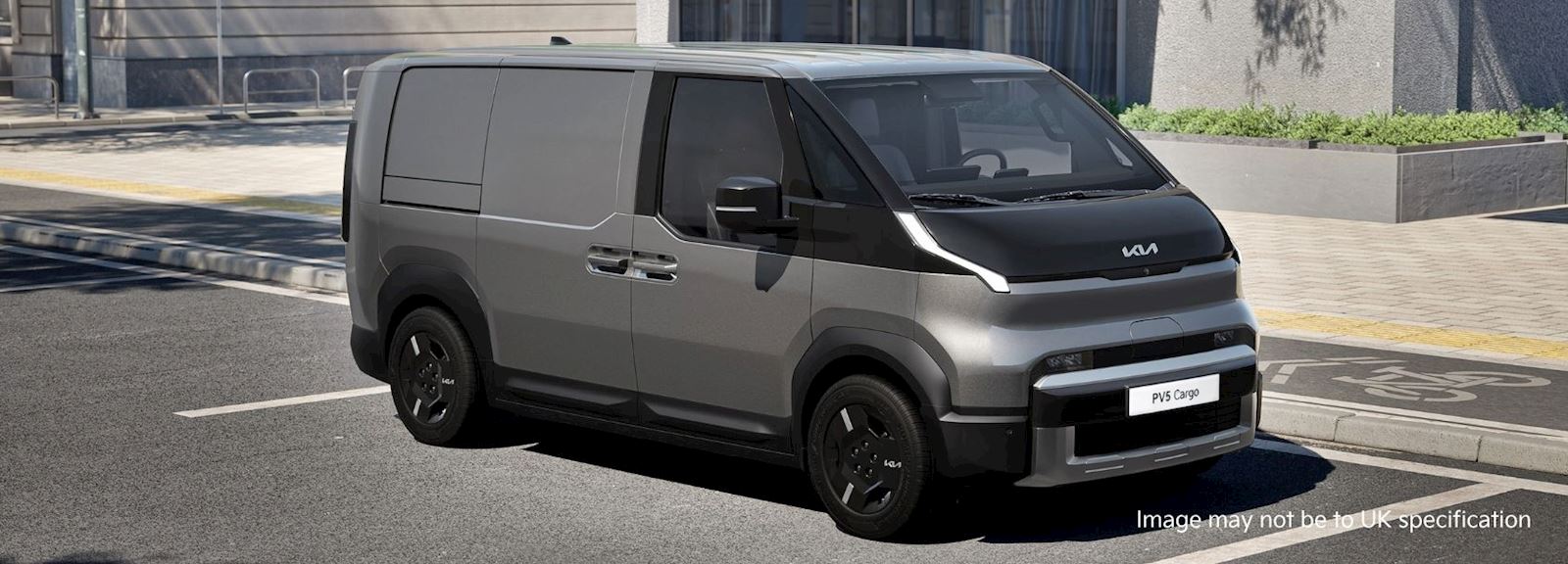 Kia PBV Cargo
Things to Be Aware Of
Buying a car through your business is a great idea for many people - but it's not without its considerations. Here are a few things to keep in mind:
• Private use adds tax: If you use the car personally (including driving to and from your home), HMRC will class this as a benefit, and you'll pay BIK tax on it.
• Keep records: HMRC may ask to see records of your business mileage, especially if you're a sole trader claiming a split of personal and business use.
• Speak to your accountant: The tax rules around business vehicles can be complex, and the 'right' answer depends on your personal tax situation. Always get professional advice.
• Finance eligibility: If your business is brand new, lenders may ask for more information before approving finance. Having a clear business plan and bank statements can help.
• CO2 emissions matter: The lower the CO2 emissions, the more tax-efficient the car will be - both for Capital Allowances and BIK. This is why electric cars are so attractive for business buyers.
.jpg) Volvo XC60
Volvo XC60
How Lloyd Motor Group Can Help
At Lloyd Motor Group, we've helped many business owners find the right car and the right finance deal. Our team understands that buying a car through a business is different from buying one privately - and we're here to make it straightforward.
Here's what we can offer:
• A wide range of cars - ICE, BEV and PHEV - from leading brands
• Flexible business finance options including HP, PCP and Contract Hire
• A knowledgeable team that can help you understand your options
• Support throughout the process, from choosing the right car to getting it on the road
We'd always recommend speaking to your accountant or tax adviser before making a final decision - but when you're ready to talk cars and finance, we're here to help.
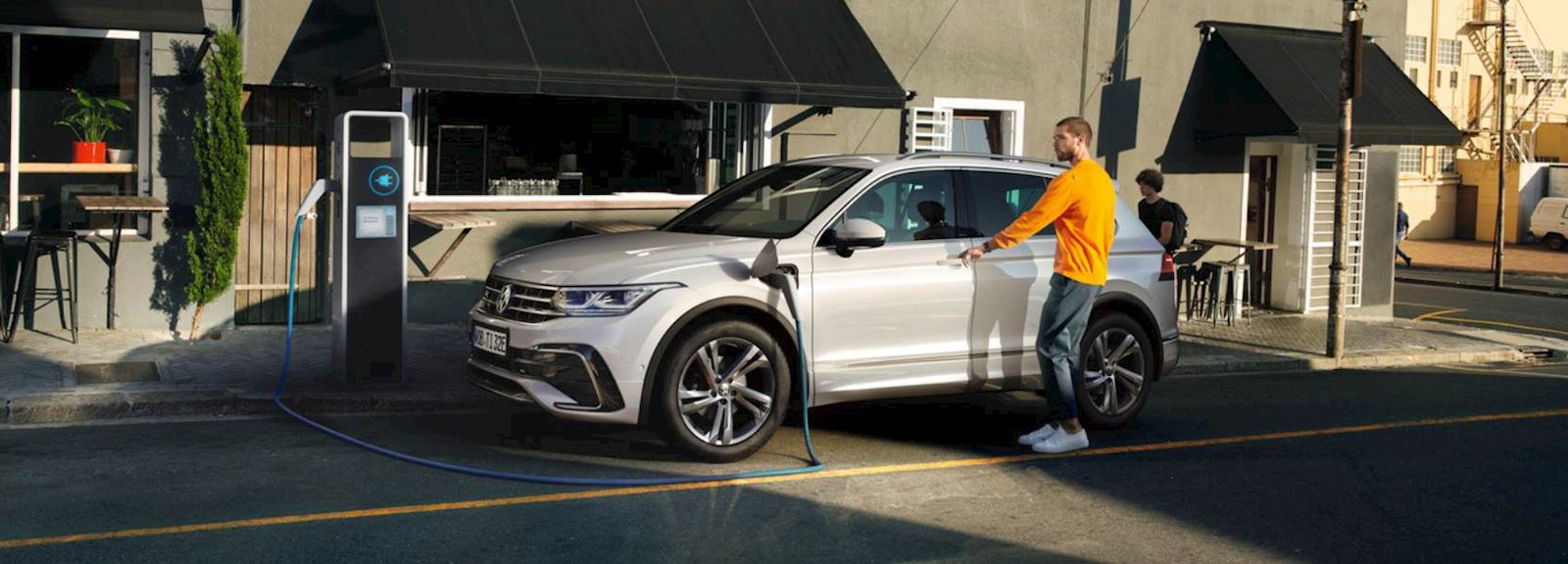 Volkswagen Tiguan
Please note: This article is intended as a general guide only and does not constitute financial, legal or tax advice. Tax rules and rates can change, and the right solution will depend on your individual circumstances. Always consult a qualified accountant or financial advisor before making decisions about buying a car through your business.
Book your personal appointment
Simply fill in your details below and we’ll get back to you as quickly as possible.